
Written by: Christine Woods
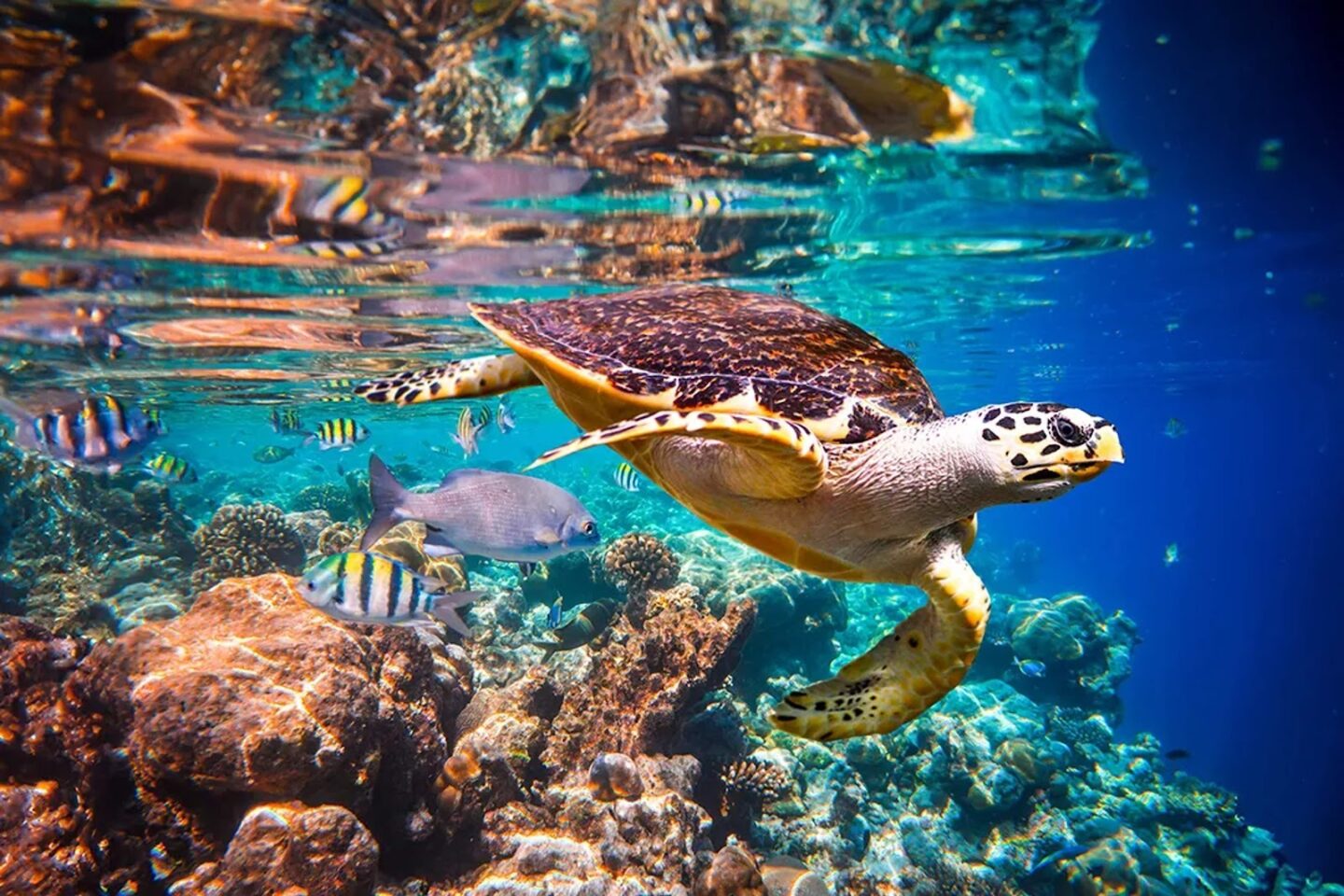
After almost two decades of deliberation, the High Seas Treaty finally took effect on January 17, 2026, establishing conservation measures for international waters. Officially the Agreement on Marine Biological Diversity of Areas beyond National Jurisdiction (BBNJ agreement), the legislation regulates the roughly ⅔ of ocean that lies outside a single country’s jurisdiction. The Agreement highlights four issues in particular: the equitable distribution of benefits, protection of marine areas, environmental impact assessments, and marine technology. It also sets a precedent to establish Marine Protected Areas on the high seas– significant steps toward the 30×30 target to protect 30% of the world’s oceans by 2030. The treaty was formally ratified in September of last year, and only recently entered into force, from when ratifying countries are obligated to engage in marine conservation efforts.
The high seas is home to thousands of rare and endangered species that are often exploited for their natural resources to make products like medicine or biofuels. According to the UN, unchecked human activity in the high seas is one of the primary reasons why roughly “10 per cent of marine species are headed toward extinction.“ Without this agreement, natural resources are subject to unethical extraction and the benefits from these resources are inequitably distributed. The agreement also intends to conserve ecosystems requiring protection through area-based management tools. All activities in these marine areas will be monitored by relevant global, regional, subregional and sectoral bodies to ensure that they do not violate environmental regulations. Companies planning to conduct deep sea mining, for example, are subject to environmental impact assessments before beginning their operations. The UN is still working toward designing the agreement’s specific governing structures, creating tools that allow for equitable implementation of the treaty, and allocating resources to ensure all states can participate.
The BBNJ committee is preparing for the first conference (BBNJ COP) to revise treaty logistics for April 2026. While this agreement has been proposed by advocates and lobbyists for years, the ultimate implementation of this treaty shows that small, slow-paced action can still culminate in revolutionary measures. Our current ecosystems, however, don’t have the luxury of waiting for twenty more years–we must continue to make major strides such as this to ensure a vibrant, diverse ocean for all future generations. Even in the face of current limitations, our work still matters. No significant data has been collected in its first month of enactment, but we look forward to a brighter, cleaner ocean from this treaty.
Sources: