Kiaora! This Friday, I bring you good news from New Zealand! This past January, Aotearoa New Zealand announced its second international climate target under the Paris Agreement! In other words, NZ is committing to cutting emissions by 51 to 55 percent (compared to 2005 levels) by 2035. This is a big step for the country’s efforts to tackle climate change, as a real and serious concern for NZ is rising water levels. With rising water levels, parts of the country are at great risk of being washed away in the decades to come.
The Paris Agreement is a global effort to keep temperature rise below 2°C (and ideally under 1.5°C), that has been signed by nearly 200 countries. Each country sets its own emissions reduction goals, and New Zealand’s updated target builds on its Emissions Reduction Plan, which largely focuses on renewable energy. It also points to sustainable agriculture and cleaner transport. Additionally, this doesn’t just help the environment—it also creates jobs in the green industry of NZ.
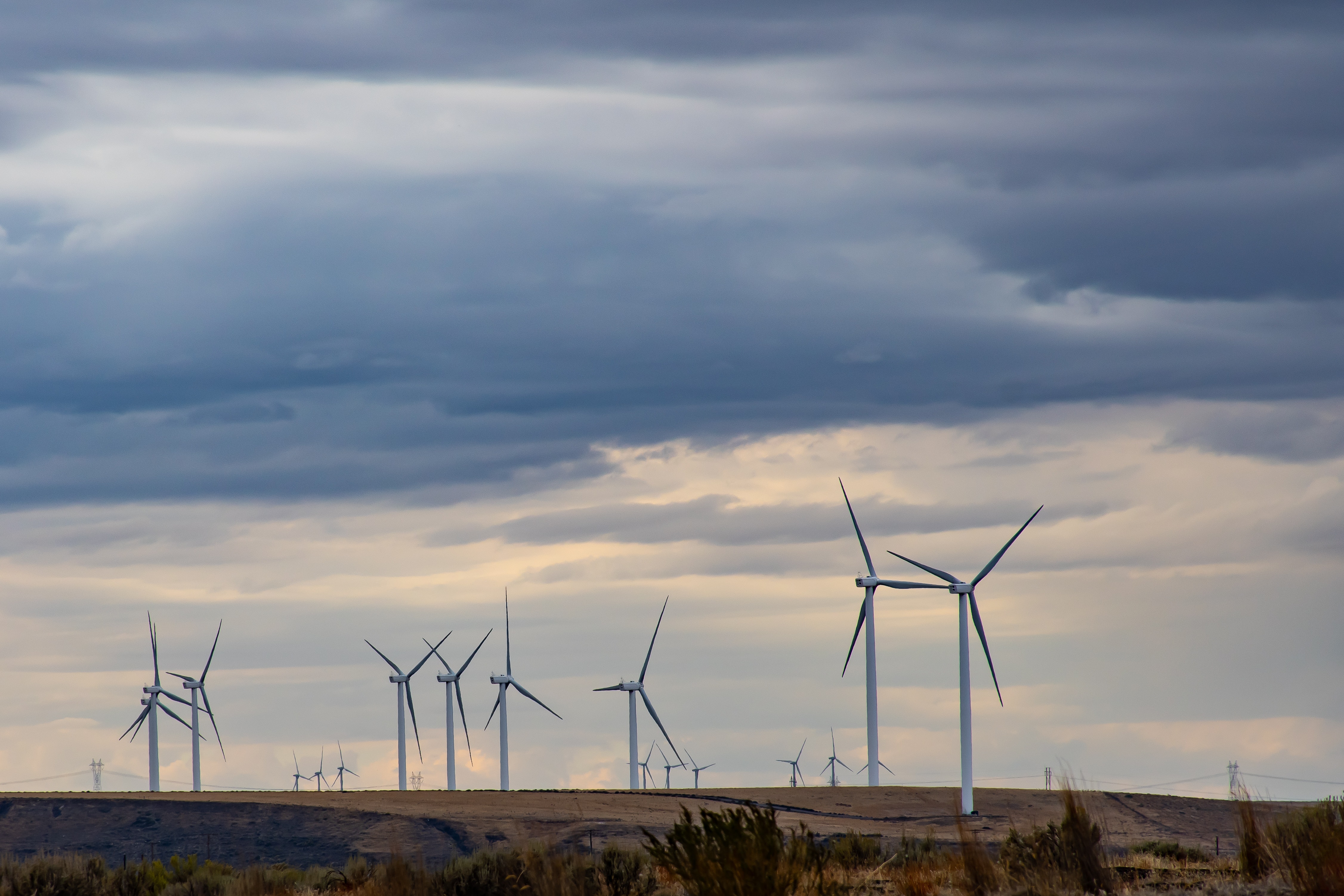
So, what does this mean? Big changes are coming! Kiwis can expect to see more investment in clean energy— like wind or solar power— and a push for greener transport options, like electric buses. Agriculture, arguably NZ’s largest industry (we have about 7 sheep for every person), will also continue evolving toward more sustainable practices. And for “everyday people”? There will be more opportunities to make eco-friendly choices through public transport, government support, or clean energy. The urgency is very real—New Zealand’s glaciers have shrunk by 29% since 2000, and that’s a serious problem as a good amount of the country’s drinking water comes from glaciers. The glaciers melting is something that affects our water supply, ecosystems, and general way of life. This new target is a crucial step toward protecting our natural resources and ensuring a livable future.
Granted, there’s still a lot of work ahead but this commitment is a testament to how serious New Zealand is about climate action. By investing in these solutions, us kiwis are moving toward a healthier, more sustainable future. Today, I am so proud of my home country!
Tokyo utilizes rooftop gardens to combat urban heat island effects! Introduced in 2001, the Nature Conservation Ordinance has prompted certain buildings to allocate rooftop space for plant growth: since 2009, private buildings over 1,000 square meters and public buildings over 250 square meters must meet at least 20% coverage; buildings over 5,000 square meters must exceed 25% green rooftop coverage. Today, over 1.8 million square meters are covered by rooftop foliage from over 5,700 buildings.
Rooftop foliage reduces rooftop and interior ceiling temperatures, in turn lowering energy costs during warmer months. Additionally, it also absorbs rainwater and reduces stormwater runoff, limiting strain on the city’s wastewater treatment facilities.
While Tokyo may have the most extensive law for implementing green rooftops, New York City similarly has implemented local laws to mandate the inclusion of rooftop plants into a building’s design. Local laws 92/94 state that new buildings or new roofs resulting from expansions of existing buildings must incorporate a green roof or solar photovoltaic cells that produce electricity. The city also requires all roofs to be cool roofs, meaning roofs that actively avoid materials which are more susceptible to absorbing solar radiation, for example, by being dark in hue.
The following other cities besides Tokyo and New York City have enacted green roof laws: Basel, Switzerland; Copenhagen, Denmark; Munich, Germany; Portland, Oregon; San Francisco, California; Toronto, Canada; and all of France. Hopefully we continue to see more cities across the world adopt green roofs into their building standards to not only create more energy efficient cities, but also more beautiful ones!
Three cheers to another edition of Good News Friday! Today we’ll be taking a look at California’s strides in gray wolf conservation!
Gray wolves were extirpated from California nearly a century ago, with the last state-documented gray wolf being killed in 1924. However, ever since 2011, when a gray wolf traipsed from Oregon to California in search of a mate, their presence in the state has made a comeback. The first stable pack was recorded in 2015 and their numbers have increased since. This past January the California Department of Fish and Wildlife (CDFW) collared 12 wild gray wolves in Northern California. In total there are 16 satellite-collared wolves in California, which is more than there ever has been before. This gives wolf conservationists hope and excitement. “The captures exceeded our expectations and will enhance our ability to monitor our wolf population both for conservation and recovery and also to help mitigate conflict with livestock,” says Axel Hunnicutt, CDFW’s statewide gray wolf coordinator.
Ground teams and contracted helicopters were used to track down previously collared wolves, resulting in capture of wolves from the Whaleback, Harvey, and Beyem Seyo packs. Wolves were either darted or netted, and flown to a CDFW basecamp where, in addition to being collared, their blood and DNA were drawn. These collected samples are crucial for biologists to monitor the wolves’ health and to learn how to mitigate the spread of disease amongst the packs.
Out of the 12 new wolves collared, five are male, seven are female, and 8 have been born within the past two years. “The fact that we were able to get so many collars on younger animals means that we’ll be able to learn more about where they disperse to,” says Hunnicutt. As wolves grow out of their infancies, they tend to leave their parental pack to start their own, and by having younger wolves collared the CDFW will already be able to monitor those new packs.
These newly collared wolves can also help reduce conflicts with Californian livestock owners. With more wolves being tracked by satellites, the CDFW can give ranchers accurate data on wolf movement, letting them know when to deploy non-lethal deterrents such as radio broadcasting, fladry flags, and fox lights. This will put less financial strain on ranchers whose livestock are attacked by wolves, and in turn reduce the amount of illegal wolf kills.
Although wolves just started their comeback in the Golden State barely 10 years ago, things are starting to look up for these furry friends!
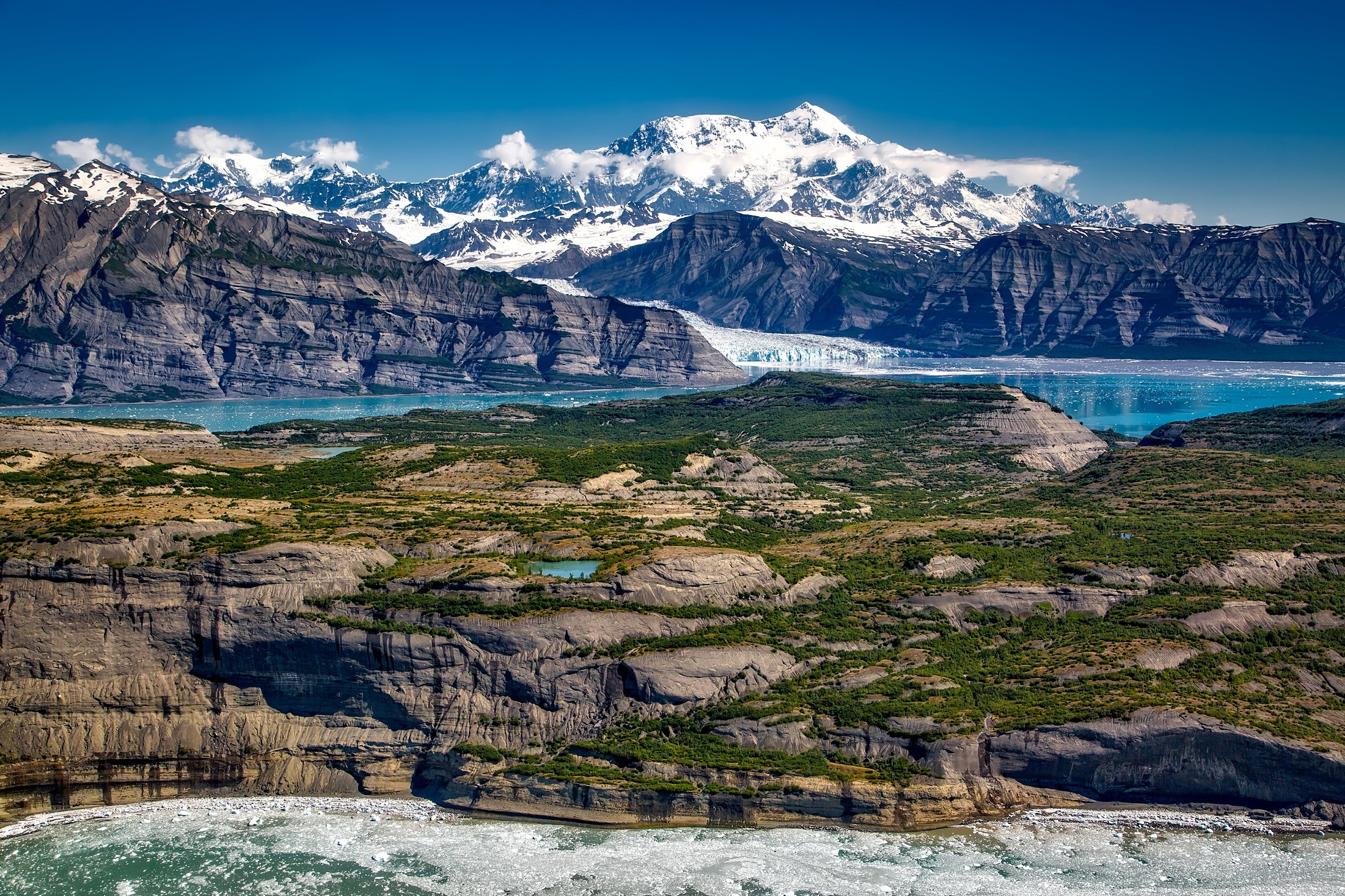
In Alaska, conservation is a critical form of sustainability, particularly as the state faces greater and greater challenges to its continued existence. Climate change continues to warm the Arctic and expose indigenous populations in the state to the disastrous effects of permafrost melting, habitat loss, and the destruction of natural ecologies their ways of life depend on. Despite the critical concern climate stability poses to Alaska, the state’s economy is chiefly reliant on its production and sale of natural gas and oil resources found on its North Slope—development which contributed $4.1 billion to Alaska’s economy in 2022. The mining of this oil typically occurs in Alaska’s Prudhoe Bay oil region, which is located on Alaska’s North Slope, or northern border with the Arctic Ocean. These regions were historically and continue to be inhabited by the Inupiat peoples, who’s lives and livelihoods are uniquely affected by drilling and the effects of climate change and the ever-higher Arctic temperatures that threaten to melt permafrost, destroy native ecologies, rise sea levels, and disrupt Indigenous communities.
In recent years, Alaska’s oil economy has been greatly diminished due to the extraction of resources from the Prudhoe region. Since the oil economy’s peak in 1988, Alaska’s fossil fuel production has dropped by around 75%. Though production in the state is expected to make another upswing in the next two decades, these development plans neglect the fact that oil reserves are becoming more and more costly to extract and will eventually run out, putting the state into financial limbo. According to a National Energy Laboratory Report, instead of expanding Alaska’s existing oil reserves, the state’s economy would be better prioritized by preemptively limiting Alaska’s natural resource extraction and pivoting 76% of their energy production towards renewable resources which could continue to serve the state’s economic needs effectively indeterminately. In spite of this need, however, oil corporations and Alaska lawmakers alike have repeatedly turned to expanding Alaska’s northern oil extraction opportunities in recent years, and have paid particular attention to Alaska’s Arctic National Wildlife Refuge, or ANWR.
ANWR is a 19 million-acre refuge on Alaska’s northeast, bordering both the Arctic Ocean and Alaska’s Canadian border—about the size of South Carolina. ANWR was established in 1980 by President Jimmy Carter as part of the Alaska National Interest Lands Conservation Act, and was designed to protect the Arctic’s incredible wildlife diversity—“at least 42 fish species, 37 land mammal species including the endangered polar bear, eight species of marine mammals, innumerable numbers of insects, and more than 200 species of migratory and stationary birds” according to the US Fish and Wildlife Service. Despite ANWR’s express purpose to protect natural Arctic habitats, the region’s coastal plain, or “1002 Area,” has drawn significant attention due to its potential for oil reserves. This area constitutes around 1.56 million acres of the preserve initially set aside upon ANWR’s creation for future oil drilling. Despite its non wilderness designation within ANWR, Section 1002 is still integral to natural habitats: the land serves as the central calving grounds for the Porcupine Caribou herd, which the Gwich’in people indigenous to Alaska rely upon for their subsistence lifestyle. Since 1988, the Gwich’in people have protested drilling in the region due to the significant ecological harm it would bring to their way of life, disrupting the caribou mating patterns that are responsible for their continued existence.
Luckily, though, despite increasing calls for the region to open up to drilling, the calls of their protests are beginning to be heeded. In 2020, every major US bank including Goldman Sachs, Morgan Stanley, Chase, Wells Fargo, and Citibank stated that they would not finance any future drilling in the ANWR region due to the disastrous environmental consequences such drilling would have. When President Donald Trump pushed forward the sale of ANWR leases in his first term, the sale generated just over $14 million in bids in 2021 with the majority of sales going to the Alaska Industrial Development and Export Authority, who made an agreement with the subsequent Biden administration to not sell any of their tracts to large oil companies. In January of this year, further land leases on 400,000 acres of ANWR’s coastal plain were auctioned, but this time zero bids were received. Though there is still uncertainty as to the future of ANWR, this series of recent successes are clear sustainability wins for Alaska’s ecology, global climate stability, and—most importantly—for the Gwich’in people who have fought continually for their voice to be heard by fossil fuel corporations and national leadership alike. The current lack of ANWR leases going forward towards oil extraction not only means that the ways of life of Alaska’s Gwich’in people will be secured, it also means the billions of barrels of oil projected to be located in the 1002 area will remain unintroduced to the carbon cycle, preventing catastrophic levels of warming that would only further damage Alaska’s ecology.
Welcome to our weekly edition of Good News Friday! Today, we’re covering the Just Energy Transition (JET) Seed Funding Initiative launched by the United Nations in Guyana.
The program, which officially began on Feb. 17, 2025, indicates crucial progress toward the nation’s Low Carbon Development Strategy (LCDS) for 2030. JET will support efforts to expand the nation’s renewable energy capacity and promote sustainable economic mobility.
Financial backing for the initiative is being provided by the Joint Sustainable Development Goals (SDGs) Fund, which enables countries to accelerate their progress towards the 17 Sustainable Development Goals (SDGs) of the 2030 Agenda. According to UN Resident Coordinator Jean Kamau, JET targets SDGs 7 (Affordable and Clean Energy), 11 (Sustainable Cities and Communities), and 13 (Climate Action).
Dr. Mahender Sharma, CEO of the Guyana Energy Agency, stated that more than 220 electric vehicles (EVs) have been imported into the country over the past five years. To further incentivize Guyanese EV purchases, the initiative stipulates that three solar-powered EV charging stations will be installed in regions 5, 6, and 10, which constitute Berbice in the eastern part of the country. This will extend vehicle charging access beyond Georgetown, the nation’s capital.
Additionally, a technical training program will be launched to equip local professionals with the skills needed to maintain and expand Guyana’s renewable energy infrastructure. The program, led by the International Organisation for Migration in collaboration with Guyana’s Board of Industrial Training, aims to empower youth, women, and marginalized groups. By providing training on EV maintenance and repairs, charging station installation and maintenance, and solar photovoltaic system installation, the program will ensure equitable access to the opportunities created by the shift to sustainable energy.
The training provided will not only to educate new employees on how to prepare for the energy transition but will also train them on how to teach others. This will create more green jobs and exponentially extend Guyana’s energy preparation and impact.
JET will support the integration of clean energy solutions into the Guyanese economy. This will play an important role in attaining 80 percent renewable energy in Guyana’s electricity grid by 2040. As the nation continues to experience rapid economic growth, programs like JET are key to ensuring that development remains sustainable, inclusive, and climate-resilient.
That’s all for this week! Check back next week for more positive environmental news. In the meantime, if you’d like to share some Good News with us, please feel free to get in touch!
Welcome to the first edition of Good News Friday in 2023! Today we’re taking a look at the “High Seas Treaty”, the latest agreement to come out of the United Nations. The treaty centers on protecting the ocean and marine wildlife.
71% percent of our world is covered in water, with 97% of this water coming from our oceans. Who’s in control of the various oceans around the world has historically been one of the most contested areas within international law. The United Nations Convention on the Law of the Sea (UNCLOS) has established that a nation’s territorial sea extends 12 nautical miles from its coastline, with an additional 200 nautical miles designated as an exclusive economic zone (EEZ). However, this framework only applies to one-third of the world’s oceans. The remaining two-thirds are facing threats such as overfishing, shipping traffic, and the impact of climate change, rendering the majority of the ocean to decline.
Talks on protecting international waters started in 2004, but currently, only 1% of international waters are being protected. Saturday, March 4th 2023 marked the most significant progress we’ve made towards protecting international waters in what is being coined the “High Seas Treaty.” This legal framework presented by UNCLOS will work towards protecting 30% of the world’s oceans by regulating deep-sea mining, changing shipping routes, and investing in marine conservation. This agreement comes as part of a host of efforts to work towards The 2030 Agenda for Sustainable Development (SDG 14).
According to the International Union for Conservation of Nature, 10% of marine species were found to be at risk of extinction, and Dr. Ngoze Oguguah, the chief research officer at the Nigerian Institute for Oceanography and Marine Research claims “the two biggest causes [of extinction] are overfishing and pollution.” It is crucial that we protect these species because over a quarter of our emissions are absorbed by the ocean. A single whale, for instance, can sequester 33 tons of carbon, which is comparable to the yearly absorption of almost 1500 trees.
Additionally, in a post-pandemic environment where the effectiveness of globalization is being questioned, this international cooperation is a massive success. The treaty also pioneers equitable climate policy; wealthy nations are pledging money to ensure the delivery of the treaty and will support developing countries in adhering to the treaty. Notable examples are the EU and the US announcing nearly €820 million ($872 million) and $6 billion respectively for international ocean protection.
However, the treaty doesn’t call for sunshine and roses just yet, the level of protection that will take place remains unsolved. Dr. Simon Walmsley, the marine chief advisor of WWF-UK said that “there was debate, particularly about what a marine protected area is. Is it sustainable use or fully protected?” Despite the progress the Treaty has made, there is still work to be done and we must continue to address these challenges and work toward finding solutions that will protect the marine environment and support life for generations to come.
That’s all for this week! Check back next week (or after spring break) for more encouraging environmental news. If you’d like to share some good news with us, please feel free to get in touch!
Welcome to another edition of Good News Friday! Today, we’re covering the growth of wind power in the United States, a breakthrough in solar cell efficiency, and sustainability programs from cities around the world.
Wind power becomes second-largest source of US electricity:According to the Energy Information Administration (EIA), electricity generation through wind power exceeded generation from coal- and nuclear-based sources to become the second-largest source of electricity nationally for the first time in American history on March 29. On that day, the combined wind turbines of the Lower 48 produced just over 2,000-gigawatt hours of electricity or 19% of the national energy mix. This follows a strong trend of growth in wind energy throughout the country. In the year 2000, for example, total annual US wind energy generation was approximately 6 billion kilowatt-hours (kWh); by 2021, that number increased to 380 billion kWh.
2. Engineers create more efficient energy-producing cells: Engineers at MIT and the National Renewable Energy Laboratory recently designed a thermophotovoltaic (i.e., capable of directly converting heat to electricity) cell with an efficiency of over 40%, which exceeds the efficiency of traditional steam turbines. The new design can generate electricity from a heat source ranging between 1,900 and 2,400 degrees C. For context, most commercial photovoltaic panels (i.e., capable of converting sunlight to electricity) have an average efficiency of 15% to 20%.
3. A review of global cities’ sustainability programs: Around the world, cities have made their own commitments to sustainability goals. Copenhagen, Denmark is on track to achieve net-zero by 2025, 25 years before the country’s national net-zero target. Mumbai, India recently accelerated its own net-zero plans, moving its carbon neutrality target up by 20 years from 2070 to 2050. And Paris, France is engaging in experiments about a “15 minute city,” or the idea that everyone living within a city should have access to essential urban services within a 15-minute walk or bike, limiting transportation emissions. For extra details on these cities’ sustainability efforts, visit the original article here.
That’s all for this week! Check back next week for more positive environmental news. In the meantime, if you’d like to share some Good News with us, please feel free to get in touch!
Welcome back to Good News Friday and happy last week of classes! We’ve compiled a list of surprising and promising initiatives involving artificial whale poop, wind farming, and rewilding projects.
Artificial whale poop aids carbon capture: Whale poop is fertilizer for the ocean because it is rich in iron which is vital for plant growth. This allows the growth of phytoplankton, which sequester carbon. Inspired by this mechanism, a research group at the Centre for Climate Repair at Cambridge is trying to artificially encourage phytoplankton growth using artificial whale poop. The feces imitation consists of a mix of nitrates, phosphates, silicates, and iron stored in rice husks. Using this method, they hope to increase ocean sequestration of carbon up to 50% from its current 30%.
Results of rewilding: Rewilding is a progressive approach to conservation with the goal of restoring the natural dynamics of ecosystems. The Global Rewilding Alliance and OpenForests have released a map of rewilding projects around the world, covering projects in over 70 countries and spanning 1 million square kilometers. For example, the recovery of the European Bison population is one of the success stories of these rewilding projects.
Wind farms in Iowa: Hundreds of farms around O’Brien County have built wind turbines in their fields to generate renewable electricity. This trend takes advantage of the strong winds in Iowa and makes the state one of the largest producers of renewable energy in the US. In fact, 57% of the energy produced in the state in the past year came from wind. This arrangement is mutually beneficial for farmers because they can sell the electricity generated in addition to the crops grown on the land.
That’s all for this week! Check back next week for more encouraging environmental news. If you’d like to share some Good News with us, please feel free to get in touch!
Welcome to another edition of Good News Friday! Today, we’re covering Apple’s use of low-carbon aluminum, the development of a solar cell capable of generating electricity at night, and the creation of a new project to better understand thawing permafrost and help Arctic communities.
Apple sources low-carbon aluminum: Apple recently announced that it intends to use the “first commercial-purity primary aluminum at industrial scale,” produced through “the world’s first direct carbon-free aluminum smelting process,” in its iPhone SE products. This new aluminum is produced by ELYSIS, a joint venture by Apple, Rio Tinto, Alcoa, and the governments of Québec and Canada. While this might not sound immediately revolutionary, aluminum production is well-known as an extremely carbon-intensive process, with 11.5 tons of CO2 per ton of aluminum produced emitted on average. As a result, this innovation in the smelting process could have a significant impact on global emissions, not least because Apple is expected to sell 30 million iPhone SEs this year.
2. Engineers develop nighttime solar panels: Engineers at Stanford University have developed a solar cell that can generate some electricity at night. The cell, which “incorporates a thermoelectric generator, which can pull electricity from the small difference in temperature between the ambient air and the solar cell itself,” produces enough electricity to power some nighttime lighting and off- and/or mini-grid applications.
3. Major permafrost study to be launched: This week, a coalition of scientists, policy experts, and advocates announced a 6-year, $41 million project to “fill in gaps in monitoring across the Arctic of greenhouse gas emissions from thawing permafrost, currently a source of uncertainty in climate models,” and to “develop policies to help mitigate the global impact of permafrost emissions and, locally in Alaska, assist Native communities that are struggling with thawing ground and problems that arise from it.” The Arctic Institute, for example, predicts that an increase in global temperatures of 3° C (5.4° F) could melt 30-85% of the Arctic’s top permafrost layers.
That’s all for this week! Check back next week for more positive environmental news. In the meantime, if you’d like to share some Good News with us, please feel free to get in touch!
Welcome again to another Good News Friday! For this edition, we will hear about how city sponges can offer climate change protection, Honolulu’s lawsuit against Big Oil, and a traditional knowledge guide about the health of the planet in Finland.
City sponges offer climate protection: Due to climate change, both floods and droughts are becoming more intense. Most cities consist of asphalt and concrete which exacerbates these effects by increasing runoff after precipitation. However, officials around the world are trying to mitigate these effects by increasing the amount of urban vegetation in the form of green roofs, parks, and wetlands. These cities, dubbed sponge cities, help recharge groundwater and prevent flooding by mimicking how nature captures and stores precipitation.
Honolulu vs Big Oil: For the first time ever, a US judge has ruled against fossil fuel companies in a court case. The Hawaii capital is suing big oil companies Sunoco, Chevron, ExxonMobil, and others for flooding, erosion, beach loss, and damage to coral reefs due to climate change. In this unprecedented case, Hawaii Circuit Court Judge Jeffrey Crabtree ruled in favor of Honolulu.
Protecting Peatland with Indigenous Knowledge: Natural peatlands are vital ecosystems that foster biodiversity and act as carbon sinks. Unfortunately, Finland has destroyed more than 60% of its natural peatlands through draining. However, a nonprofit called the Snowchange Cooperative is supporting collaboration between indigenous knowledge holders and scientists to rewild these important wetlands. As a result, within the past decade, Skolt Sámi women have used their knowledge to guide restoration in the Näätämö River Basin in a way that honors the fragile ecosystem.
We hope you’ve enjoyed the stories this week and hope you have a restful weekend. Check back next week for more encouraging environmental news. If you’d like to share some Good News with us, please feel free to get in touch!