In this special series, our blog contributors interviewed and profiled various sustainability student organizations on campus. Each of the groups offer unique insights into their missions, their engagement with sustainability, and how students can get involved. If you would like to learn more about the groups, ask the officers questions, and receive event updates please join our Princeton Student Sustainability Hub server here!
Frida is a Mechanical and Aerospace Engineer in the Class of 2025. She serves as the EcoRep Sustainability Outreach Coordinator.
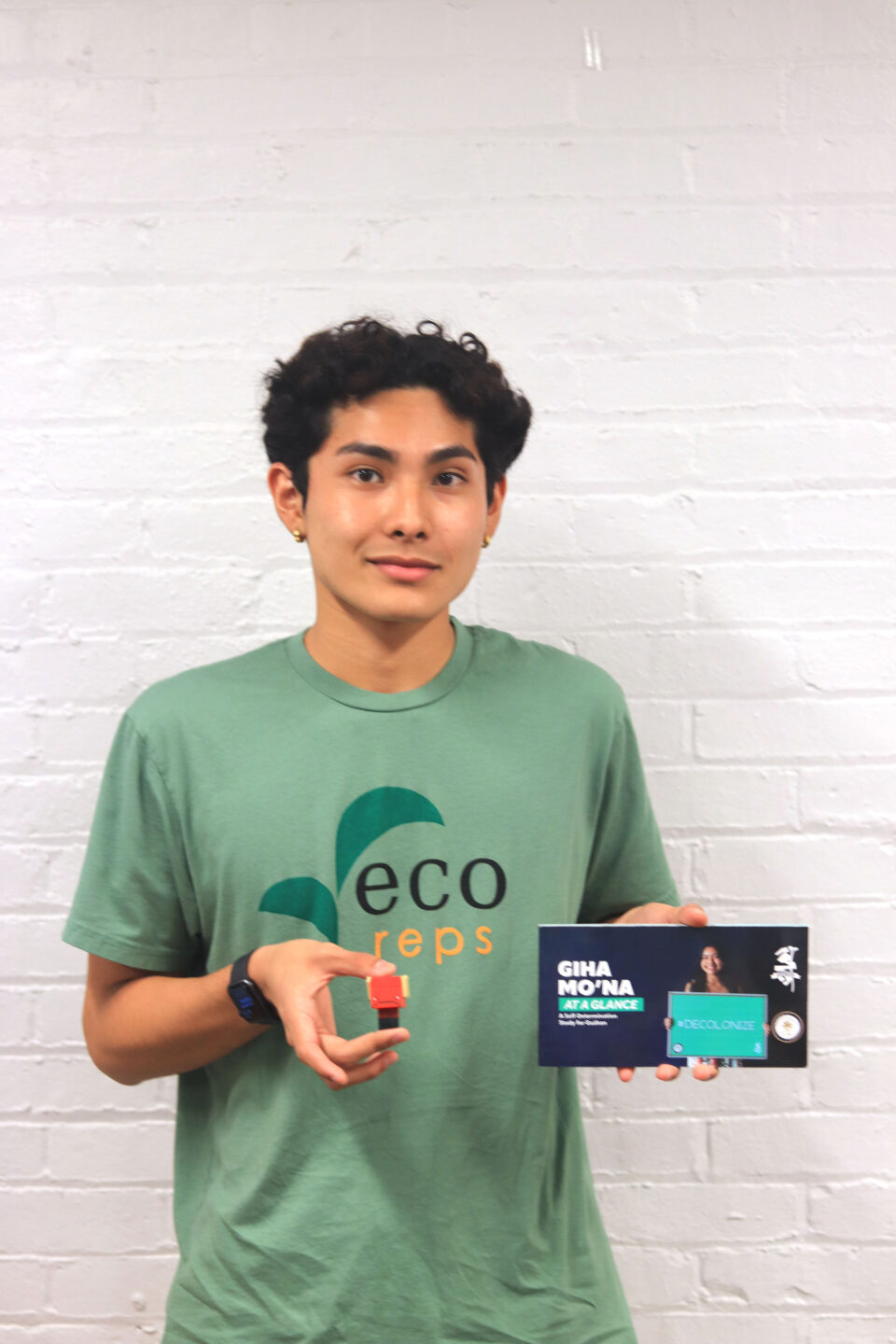
Jason Luo ’25
Jason is a Comparative Literature major in the Class of 2025 and one of the EcoReps Coordinators. He is also involved with La Vie en Cello and is a member of Tower Club.
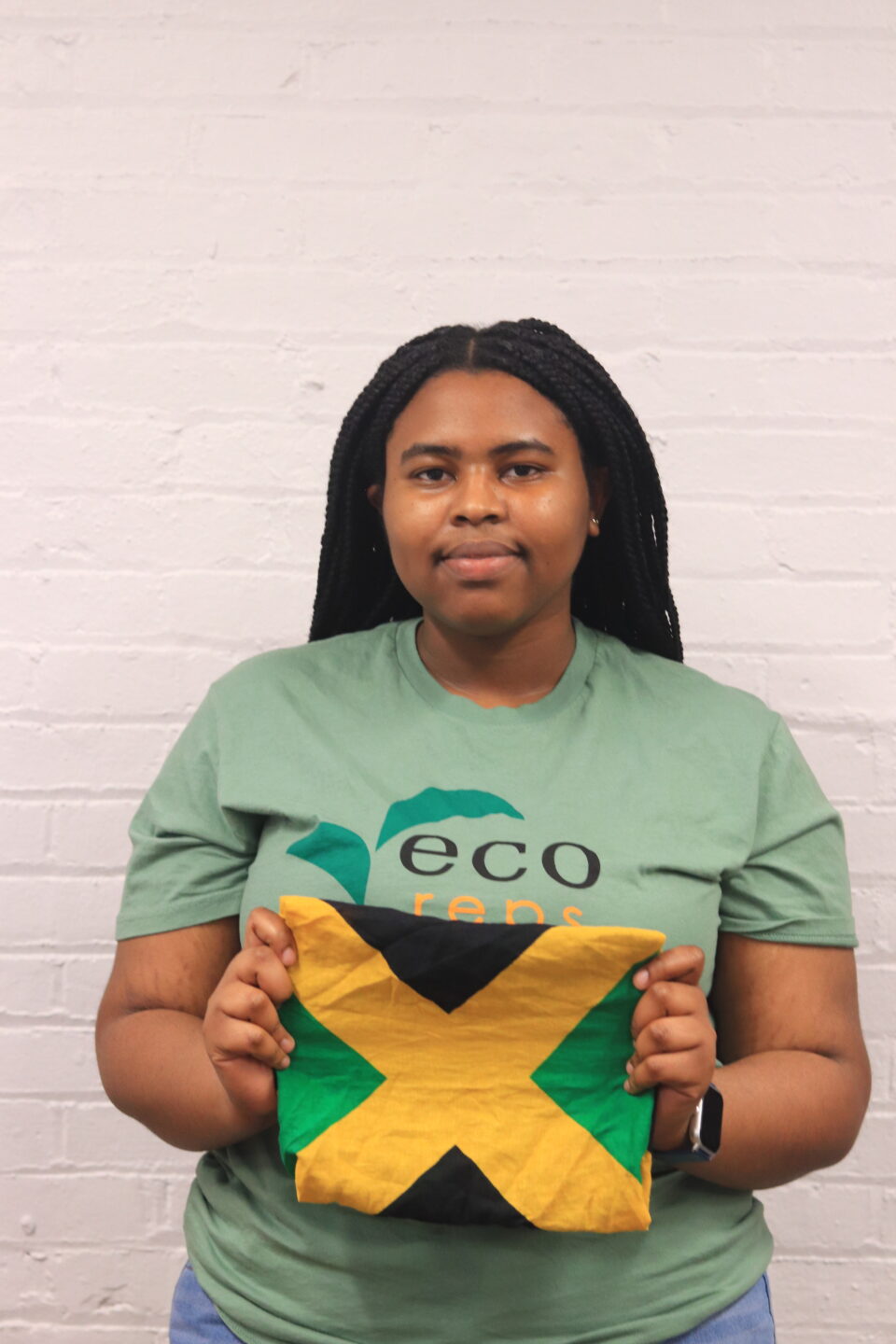
Tavia Bryan ’27
Tavia is a chemistry major in the Class of 2027. Aside from being an EcoRep Leader, she is the Events Co-Chair of the Princeton Caribbean Connection and a member of the Whitman College Council.
Anherutowa Calvo ’27
Towa is a Chemical and Biological Engineering major in the Class of 2027. He is an EcoRep Leader.
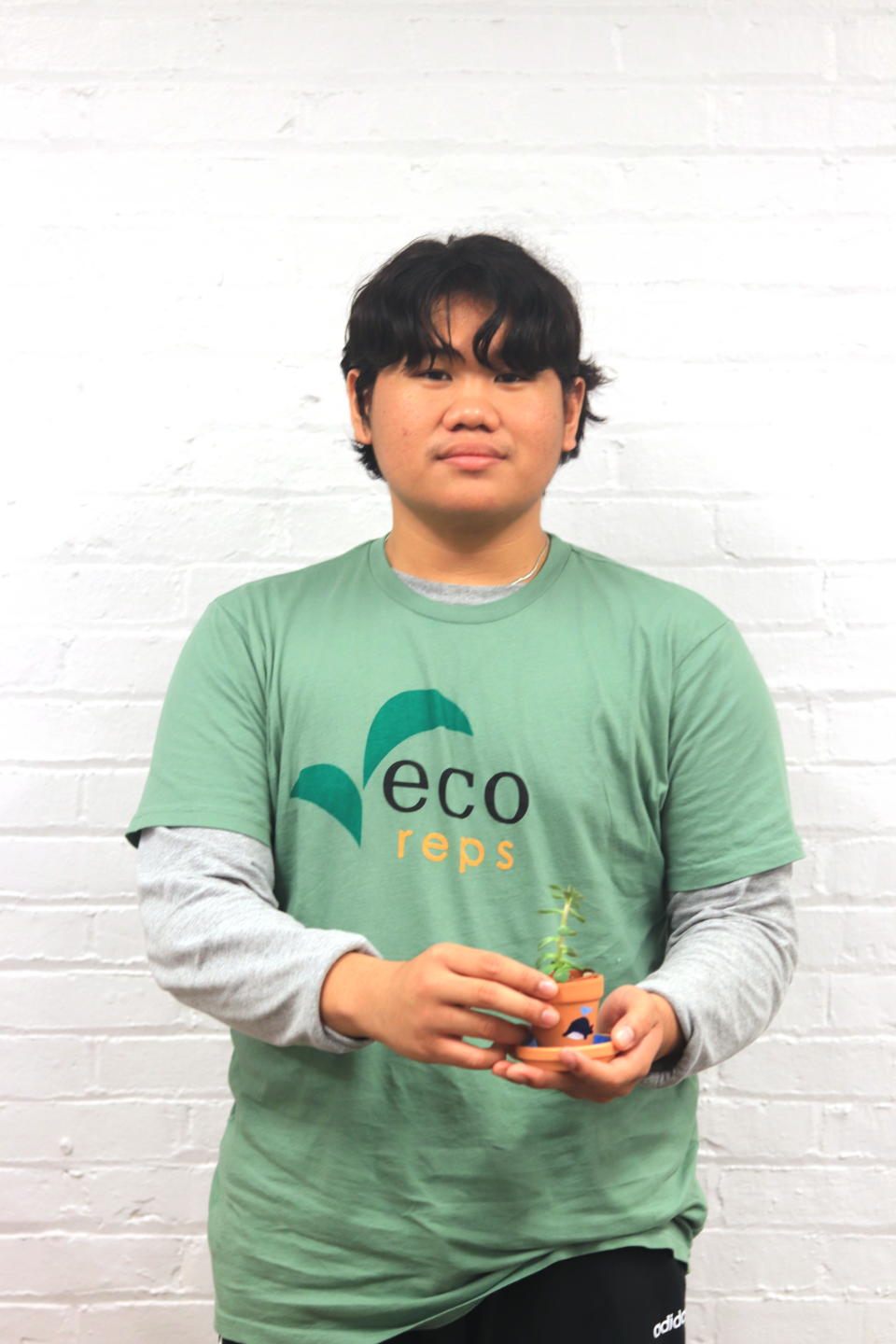
Jillard de Fiesta ’27
Jillard is a Civil and Environmental Engineering major in the Class of 2027. He is an EcoRep Leader.
Mariah Morgan ’27
Mariah is a prospective African American Studies major with a Spanish minor in the Class of 2027. Along with being an EcoRep Leader, she is a member of Princeton’s Black Student Union and Princeton Caribbean Connection.
Kirill Sirik ’27
Kirill is an Operations Research and Financial Engineering major in the Class of 2027. As a sustainability enthusiast, he is involved with USG’s sustainability committee.
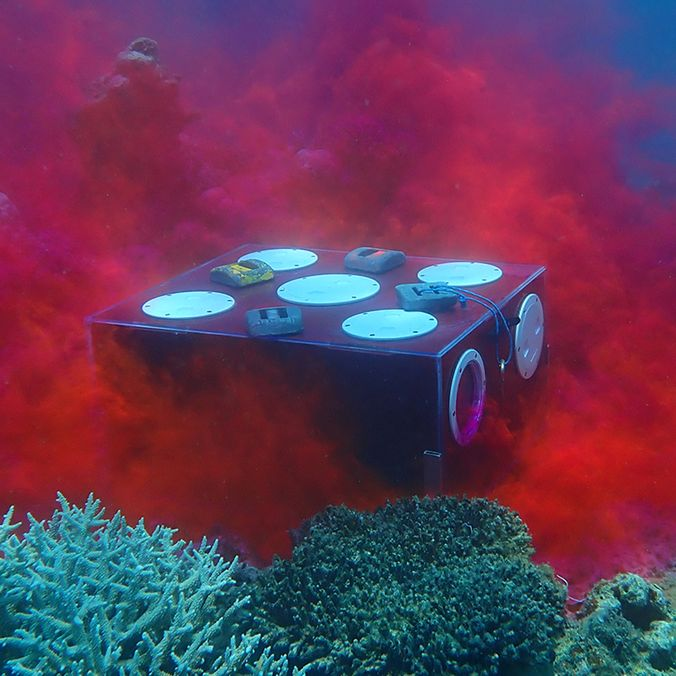
Scientists working on the Great Barrier Reef have created a new tool that could aid in reviving one of the world’s most critically in-danger ecosystems. The coral larval seedbox is designed to dramatically improve the survival of coral larvae which, in turn, could be a critical development in protecting ocean ecology.
After corals release their eggs and sperm during spawning events, the larvae drift into the open ocean, often swept away with the currents. Only a small fraction of these coral larvae manage to attach to a reef bed and grow into adult corals, which proves to be an alarming problem given the ecological implications of mass coral bleaching (Great Barrier Reef Foundation). The seedbox plays a critical role in increasing the larvae’s likelihood of survival: acting like a floating nursery, the seedbox holds millions of coral larvae and releases them near the reef bed gradually, giving them a much better chance to settle successfully on damaged areas of reef beds (CSIRO).
Early trials in November of 2025 near Lizard Island, off the coast of Queensland, Australia have proven incredibly promising. In some areas, coral settlement rates were up to 56 times higher than with traditional restoration methods (Great Barrier Reef Foundation). Researchers are now expanding restoration efforts to the Whitsundays (also northeast of Queensland), testing how effectively the seedboxes function in different environmental conditions and reef regions (Southern Cross University).
This project is a collaborative effort led by CSIRO (Commonwealth Scientific and Industrial Research Organization) and Southern Cross University, with support from the Great Barrier Reef Foundation. Scientists hope that, with time, this surprisingly simple (yet successful) technology could be a scalable and cost-effective solution to conservation efforts for the Great Barrier Reef. With coral reefs under fire from climate change and unsustainable human practice, inducing bleaching events, concepts like the seedbox offer a glowing ember of hope. While the long-term influence of these seedboxes will need to be monitored, the seedbox signifies critical steps in global conservation and sustainable development.
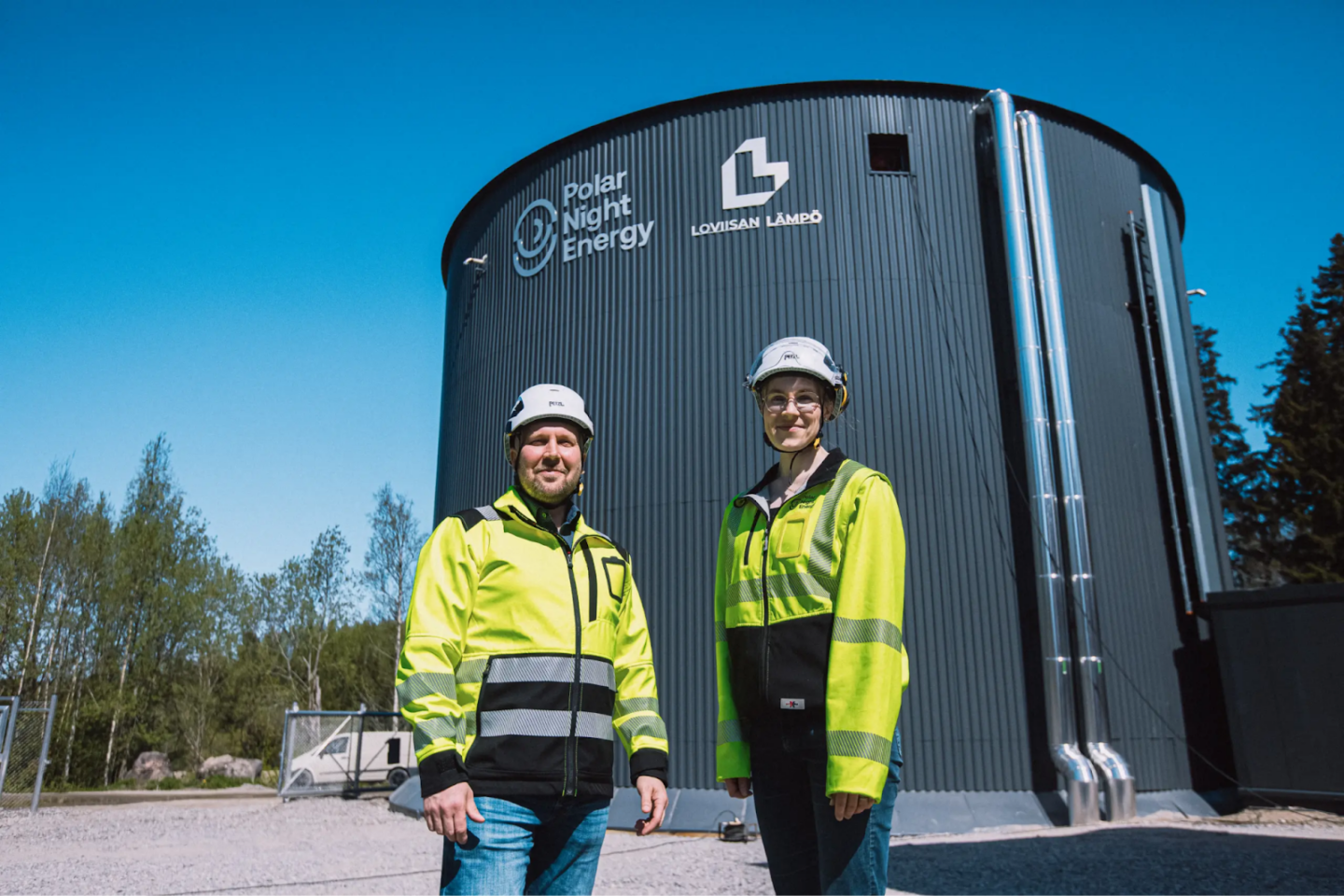
Sand Battery for Loviisan Lämpö at Pornainen, Finland
Polar Night Energy has been recognized as one of the most promising climate and tech startups globally by the German Energy Agency (dena). Selected for the Start-up Energy Transition SET100 List 2026, this Finnish energy technology company was chosen from over 470 applications across 79 countries. This recognition was awarded for their innovative contribution to energy storage solutions, which are necessary for managing the intermittency problem of renewables and accelerating the energy transition. Their approach consists of a Sand Battery technology, which stores energy from renewable sources as high-temperature heat on sand and industrial by-products.
Currently, this Sand Battery technology has been implemented in the municipalities of Kankaanpää and Pornainen to support district heating networks, providing a storage capacity of 8 MWh and 100 MWh respectively. Previously powered by a woodchip-burning plant, the Pornainen district heating network has reduced its carbon emissions by around 70% following this change. Furthermore, at this location, the material being used to store thermal energy consists of crushed soapstone, which is a by-product coming from the company Tulikivi’s fireplace manufacturing. By utilizing by-products, this innovation does not contribute to a global shortage of river sand, which is expensive and already in high demand in the construction sector. Ultimately, this sand battery technology also contributes to a more circular economy by turning fireplace manufacturing waste into a value-added product.
This relatively new technology has already begun demonstrating great potential for decarbonising industrial heat emissions, and has more inspiring projects in the making. Tommi Eronen, the CEO of Polar Night Energy, has stated how he is “excited for the future” and wants to “have a positive impact on the world.” For 2027, the company plans to inaugurate the world’s largest sand-based thermal energy storage system at Vääksy, Finland, which will have a capacity of 250 MWh. Implementing the sand battery will reduce reliance on natural gas and woodchip, which is expected to cut fossil-based emissions in the Vääksy district heating network by 60% annually. Polar Night Energy’s revolutionary sand battery technology serves as a clear example of how science and innovation are continuously advancing through mission-driven people and offer a promising path for the energy transition.
Photo: NOAA.gov // Jason Hartwick/Swiftwater Films
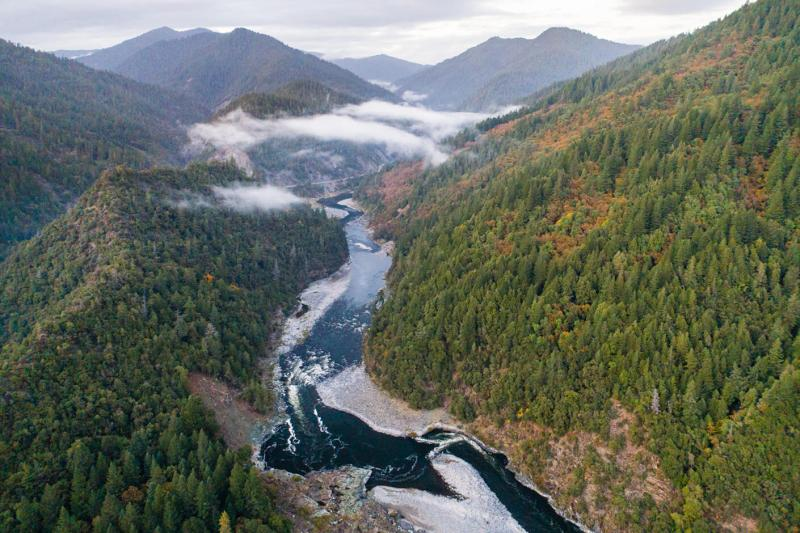
Following the removal of four dams from the Klamath River in California, the area has experienced a promising resurgence in Chinook Salmon populations. Once the third largest producer of salmon in the United States, the Klamath River experienced a significant decline in salmon and other fish populations after four dams restricted habitat access and damaged water quality. A little over a year after the removal of the final dam, the salmon have returned en masse, in numbers that have far exceeded the hopes of local tribesmen and experts.
The Klamath River Basin, which is located in Northern California and stretches up to Southern Oregon, is an important habitat for Chinook River Salmon. For that reason, the Yurok Indigenous people, who call the Klamath River area home and depend on the salmon for sustenance, are known as the “salmon people.” However, the creation of four hydroelectric dams restricted 400 miles of habitat for the salmon and impacted water quality, drastically decreasing the numbers of salmon found in the area each year.
In 2002, the Klamath River Basin’s salmon population experienced a drastic die-off event, with around 35,000 salmon found dead in just a few days in September of that year. This event was later traced directly to the impacts of the dams, which restricted water to dangerously low levels, leading to poor water quality, and increased water temperatures that ultimately threatened the lives of the salmon.
Advocacy against the dams, which had been initiated by the Yurok tribe in the 1990s, increased after this event, which signaled the urgency of dam removal. Despite knowing that it would be an uphill, impossible battle, the Yurok tribe fought for the removal of the four dams, which were all owned by the PacifiCorp company and used for electricity generation. The process was long, but a series of gains led to the ultimate removal of the dams from October 2023 to August 2024.
The Yurok tribe began with addressing the water quality and water level issues by working with local farmers and residents of the area to mitigate irrigation and minimize runoff. This was formalized in the Klamath Basin Restoration Agreement, which was signed in 2010, and set the stage for late dam removal. Following advocacy by the Yuroke tribe, authorities mandated that the new lease agreement for the dams, which was up for renewal in 2006, required fish ladders so that the Salmon could pass through. PacifiCorp could not handle the cost and agreed to remove the dams. The first of the four dams was removed in October 2023, with the final dam finally dismantled by August of 2024, a project that was supported by both California and Oregon.
Following dam removal, river conditions quickly improved. The river experienced more natural water temperatures and temperature fluctuations, as well as improved water quality. Hundreds of miles of habitat which were previously closed off to the salmon have now been opened. Yurok tribe members have also begun land restoration projects for areas damaged by the dams.
Since the removal of the dams, the Klamath River Basin has experienced a sharp spike in salmon. The salmon have returned in numbers, with estimates predicting an eighty-one percent return of salmon production to pre-dam levels by 2061. A year after the dams’ removal, salmon have fully reclaimed their habitat, spreading throughout more than 300 miles of previously restricted territory. Chinook Salmon have already been found as far up as Southern Oregon, to the surprise of many experts, and have also been discovered in creeks and streams where they had not been present for over a century, since before the creation of the first dam in 1922. Researchers have found that, since the removal of the dams, the fish have returned to the river earlier in the year than previously, and they have also measured a 30% increase from 2024 in the numbers of salmon passing through the site of a former dam.
The resurgence of salmon in the Klamath River Basin following the removal of the four PacifiCorp dams has been extremely promising so far. Monitoring of the area continues, with the California Department of Fish and Wildlife devoting $30 million to help with restoration efforts.
A little over a year and a half after the removal of the dams, researchers continue to track the triumphant return of Chinook Salmon to the Klamath River and projections for 2026 predict a sharp increase in Chinook Salmon in the fish run this Fall. The return of salmon to the Klamath River Basin marks a victory for the Yurok tribe, the Chinook Salmon, and the natural world, and demonstrates the power of conservation efforts to recuperate wildlife habitats.
Milan-Cortina and LA28 prove that progression is possible – and perhaps, necessary.
Written by: Hannah Riggins
Organizers of the 2026 Milan-Cortina Winter Olympics would make it their goal to deliver 100% renewable energy to all competition venues. They targeted clean energy use as the highest driver of emissions reductions in recent event-planning history. The EU’s “guarantee of origin” certificates crystallize renewable energy portfolio targets and are traded within the market to support energy demand at-scale. Each certificate amounts to 1 gigawatt-hour of energy produced by a carbon-free source, with Italy’s largest electricity generator, Enel, supplying 85 gigawatt-hours in total.
Milan-Cortina is the first of the IOC’s broader paradigm shift towards prioritizing the communities they impact moving forward, and by extension, the sustainability of the Games themselves. At a certain point in time, countries would withdraw their bid in hosting because the economics had proved disadvantageous. Countries would often lose thousands, if not, millions of dollars in erecting stadiums intended to seat tens of thousands and Olympic villages with state-of-the-art recovery facilities. Sure, local economies would be temporarily buoyed by an influx of tourists – with small businesses receiving higher foot traffic and employment rates stabilizing with rapid hiring of Games-associated personnel. Yet, with Japan in an alarming deficit with the postponement of the 2020 Tokyo Games due to a global pandemic, the IOC was left asking how to favorably market the prospect of hosting aside from its symbolic appeal.
LA2028 has already laid out its social impact aspirations, which are highly promising. Although it’s proven historically difficult to accurately forecast Olympics costs, LA28 is saving millions of dollars on its no-build policy and radical re-use of existing world-class facilities. According to an August 2025 press-release, LA28 is purchasing 100% renewable energy for event venues and working to make public transit accessible and subsidized for all.
The enhanced emphasis on sustainability will no doubt contribute to the staying power of the Games. As Milan-Cortina athletes have used their platforms to express concern over the warming climate (and need for artificial snow in some of the courses), one can hope that these changes are exactly what the Games needs to chart a course forward in an uncertain future.
After almost two decades of deliberation, the High Seas Treaty finally took effect on January 17, 2026, establishing conservation measures for international waters. Officially the Agreement on Marine Biological Diversity of Areas beyond National Jurisdiction (BBNJ agreement), the legislation regulates the roughly ⅔ of ocean that lies outside a single country’s jurisdiction. The Agreement highlights four issues in particular: the equitable distribution of benefits, protection of marine areas, environmental impact assessments, and marine technology. It also sets a precedent to establish Marine Protected Areas on the high seas– significant steps toward the 30×30 target to protect 30% of the world’s oceans by 2030. The treaty was formally ratified in September of last year, and only recently entered into force, from when ratifying countries are obligated to engage in marine conservation efforts.
The high seas is home to thousands of rare and endangered species that are often exploited for their natural resources to make products like medicine or biofuels. According to the UN, unchecked human activity in the high seas is one of the primary reasons why roughly “10 per cent of marine species are headed toward extinction.“ Without this agreement, natural resources are subject to unethical extraction and the benefits from these resources are inequitably distributed. The agreement also intends to conserve ecosystems requiring protection through area-based management tools. All activities in these marine areas will be monitored by relevant global, regional, subregional and sectoral bodies to ensure that they do not violate environmental regulations. Companies planning to conduct deep sea mining, for example, are subject to environmental impact assessments before beginning their operations. The UN is still working toward designing the agreement’s specific governing structures, creating tools that allow for equitable implementation of the treaty, and allocating resources to ensure all states can participate.
The BBNJ committee is preparing for the first conference (BBNJ COP) to revise treaty logistics for April 2026. While this agreement has been proposed by advocates and lobbyists for years, the ultimate implementation of this treaty shows that small, slow-paced action can still culminate in revolutionary measures. Our current ecosystems, however, don’t have the luxury of waiting for twenty more years–we must continue to make major strides such as this to ensure a vibrant, diverse ocean for all future generations. Even in the face of current limitations, our work still matters. No significant data has been collected in its first month of enactment, but we look forward to a brighter, cleaner ocean from this treaty.
Those who were on campus in the fall of ‘24 will remember the transformation of Poe Field from a giant mud pit into a beautiful, grassy study spot. For 15 months, Poe Field was closed for the installation of geo-exchange, a low-carbon heating and cooling system that stores warm water underground in the summer to be used to heat buildings in the winter, and vice versa. The project was a significant step towards Princeton’s goal of net-zero carbon emissions by 2046, as outlined in the Sustainability Action Plan. The heating/cooling system for all campus buildings will eventually be transferred to geo-exchange in time for 2046.
But Princeton is not the only place installing geo-exchange!
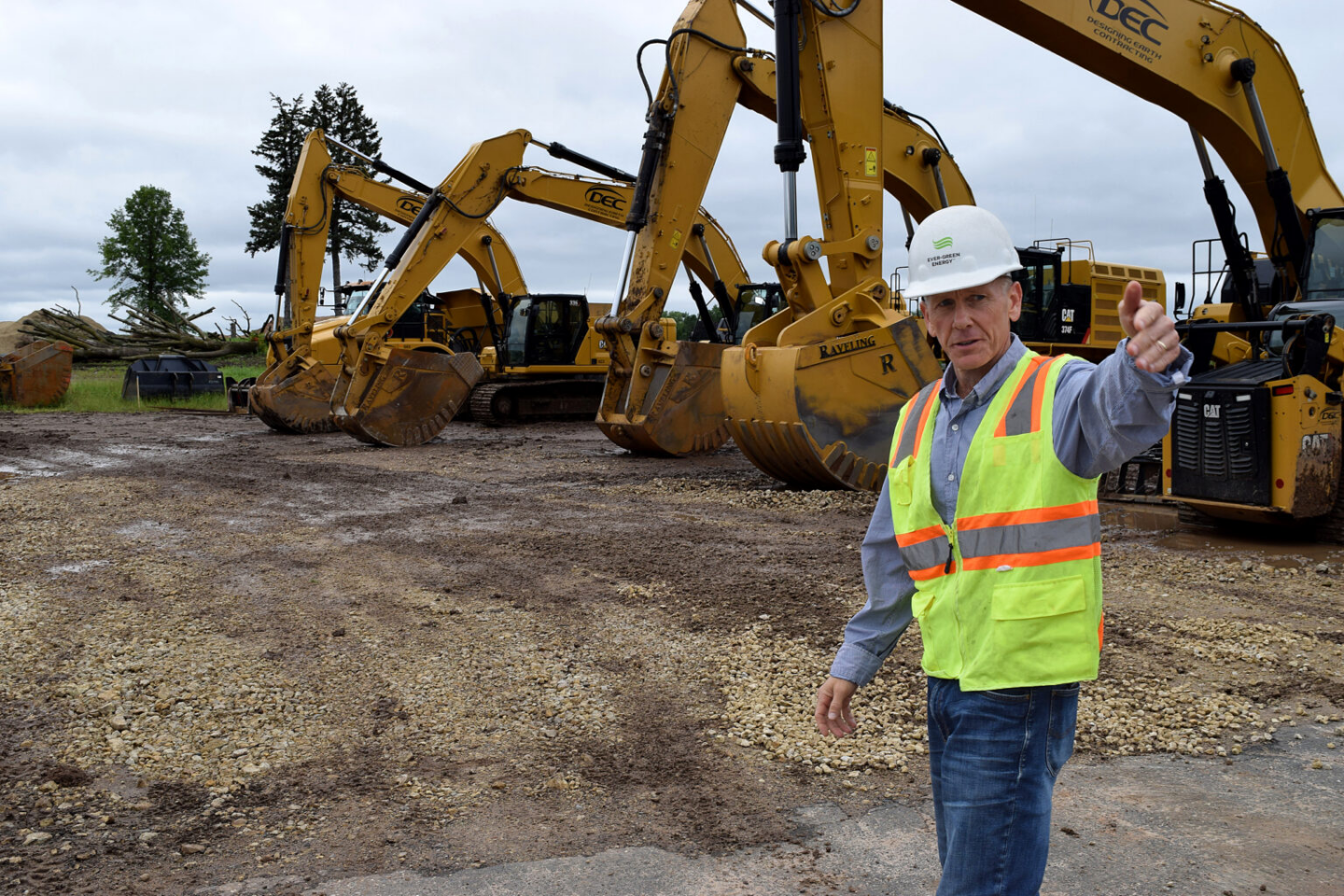
In the Greater East Side of St. Paul, Minnesota, plans are underway for the installation of aquifer geo-exchange for The Heights, a 112-acre mixed-use development built on a former golf course. Built by Ever-Green Energy, a St. Paul based nonprofit utility company that is increasingly turning to geothermal energy for its heating and cooling networks to eliminate greenhouse gas emissions, the geo-exchange will work similarly to the one currently being installed in Princeton, with a few key differences.
At Princeton, geo-exchange requires the drilling of over 2,000 boreholes on campus, each 600 to 850 feet deep. Each hole holds a pipe through which the water that heats and cools our buildings runs. The water never once comes in contact with dirt or rock, instead staying within the pipe system the whole time and transferring heat to and from the bedrock via conduction.
For The Heights project, Ever-Green Energy is tapping into an aquifer only 350 to 500 feet underground instead. Despite the wide yearly temperature changes above ground characteristic of Minnesota, the aquifer beneath The Heights remains approximately 50 degrees Fahrenheit the entire year. The system will use high-efficiency electric heat pumps powered partially by solar panels to draw groundwater from wells spread across the northern half of the development.
Aquifer geothermal requires less drilling than traditional geothermal heating/geo-exchange. While not feasible everywhere, aquifer geothermal is a great low-carbon alternative to traditional heating and cooling in Minnesota, where subsurface water is common.
Measures are being taken to minimize the impact of the development on the aquifer’s temperature and geochemistry. Regulations in the Netherlands, where thermal storage is most common, limit the aquifer temperature range to between 41 and 77 degrees Fahrenheit. Prior to the beginning of construction, the Minnesota Department of Health and the Department of Natural Resources will inspect the project to ensure that The Heights’ aquifer will remain in this range. Darcy Solutions, the St. Paul company overseeing the installation of the wells, will place their heat exchangers underground to ensure that the water never becomes oxygenated by exposure to air at the surface.
The project, which should cut the development’s emissions by up to 74%, has already been awarded a LEED Platinum award.
While the Trump administration has slashed many solar and wind tax credits, geothermal credits remain largely untouched. Federal tax credits should cover roughly $6 million of the $12 million geo-exchange project for The Heights.
The aquifer geo-exchange is projected to cut emissions by up to 74% and cut residents’ utility costs by up to $100 per month. For a community that often struggles to pay its utility bills on time, this comes as welcome news.
Like Princeton, St. Paul’s geo-exchange conversion is yet another inspiring example of a low-carbon heating and cooling system that works with the environment to lower costs for everyone.
To learn more about the St. Paul development, click here.
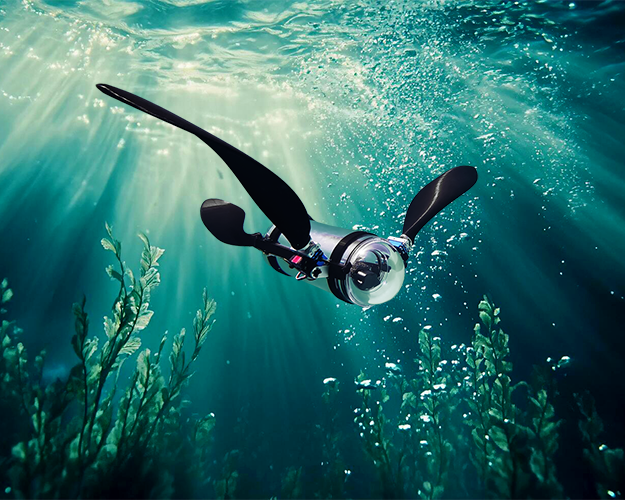
Each year, the European Union Contest for Young Scientists (EUCYS) pools together over a hundred of the brightest students across the globe, this year, spanning 37 different countries during this year’s competition to showcase their novel projects [1]. EUCYS 2025 just closed on its 36th annual competition, taking place in Riga, Latvia where first place was awarded to – a robot turtle[2]!
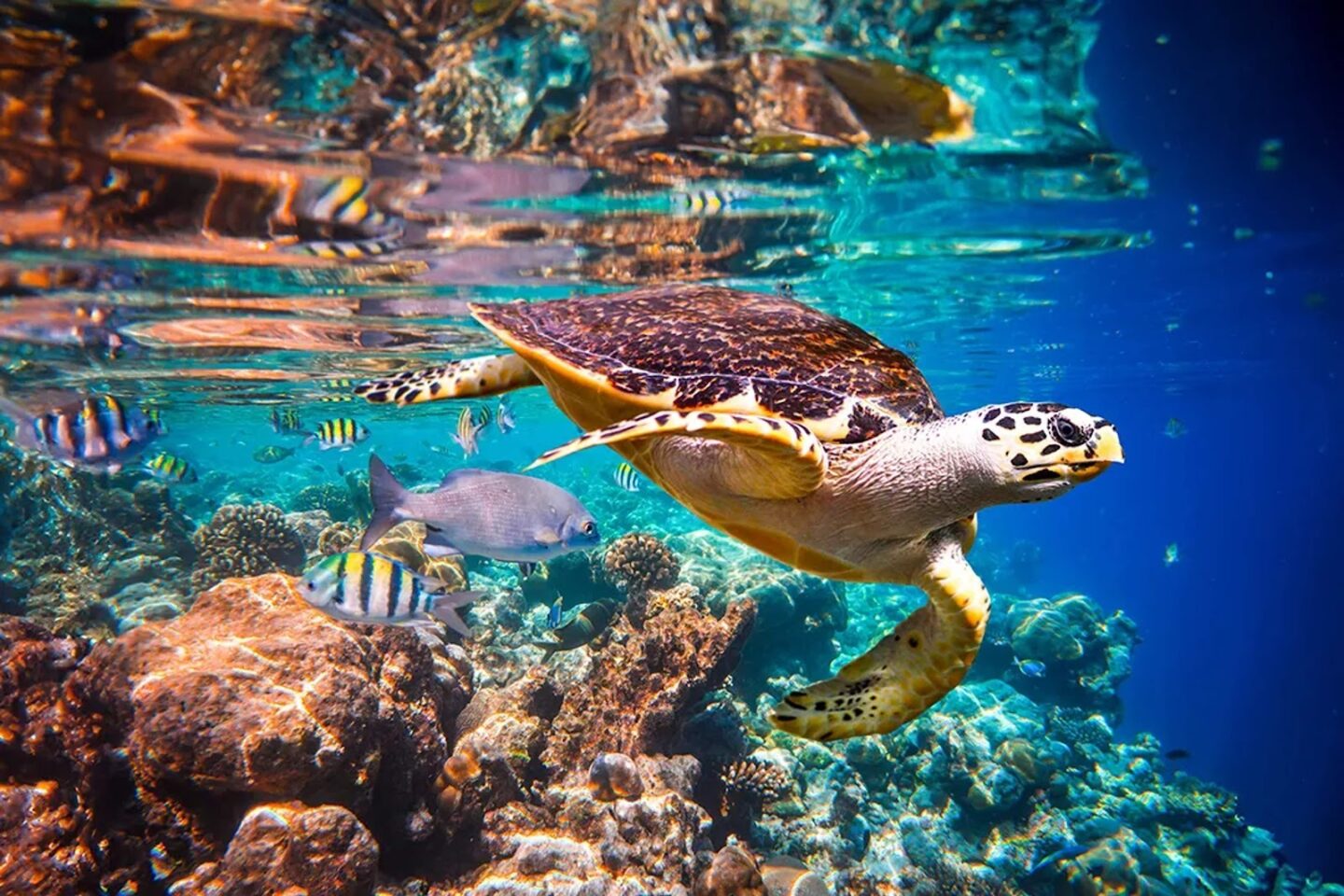
Evan Budz, a 15-year-old Canadian scientist was concerned with the sustainability of ocean monitoring systems and sought to identify a less intrusive solution. He took inspiration from the graceful movements he observed from snapping turtles, and modeled his bionic monitoring system to limit disturbance to other organisms in the aquatic ecosystems [3]. The agile movement of his turtle robot was achievable due its multi-axis propulsion system adapted for fluid dynamics [4]. Budz was able to experiment with this design in his grandparent’s pool until it was perfect.
Not only is this a remarkable feat of mechanical engineering, its monitoring system is likewise as impressive. Budz trained the robot turtle on an AI-imaging model that enables the robot to identify coral bleaching with 96% accuracy [4]. Coral is a keystone species in ocean environments, and the mechanical and machine learning components work together to create an eco-friendly means to closely observe the species health, and subsequently the entire ecosystem.
Evan Budz’s science fair project proves to be promising for the future of the young generations’ creativity and ingenuity as well as a genuine passion for promoting sustainable efforts, even if it requires out of the box thinking, such as robot turtles!
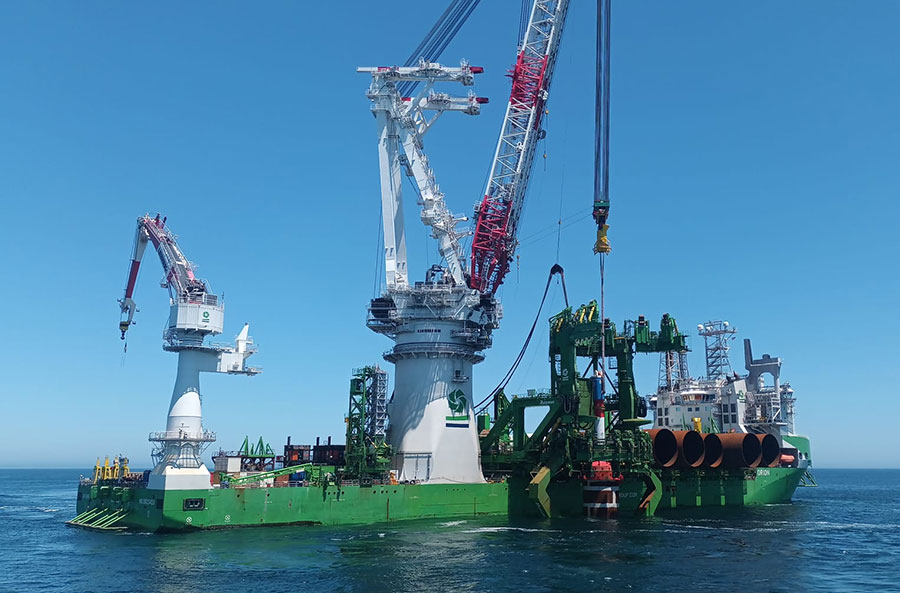
Amid a flurry of new restrictions on green energy, a wind farm is being constructed off the coast of Virginia. Since 2013, Dominion Energy, an electric company headquartered in Richmond, Virginia with service to Virginia and the Carolinas, has been hard at work planning and constructing the largest offshore wind project in the United States. The $9.8 billion project, called Construction on Coastal Virginia Offshore Wind (CVOW), is set to finish in 2026 and will have the capacity to power 660,000 homes and generate 2.6 GW of electricity.
The wind farm is part of Dominion Energy’s commitment to deliver 100% of electricity by renewable power sources by 2045, as required under the 2020 Virginia Clean Economy Act. Construction on the wind farm continues despite a recent executive order from President Trump temporarily ceasing all federal wind leases, with half the turbine monopile foundations installed as of November 2024. In addition to providing a source of clean energy, the wind farm will also benefit the local Hampton Roads economy, creating jobs and economic growth.
Dominion Energy has been mindful in every step of the construction process to minimize environmental damage to the area. Prior to construction, DE conducted over two dozen studies to ensure protection of ocean life and avian species. During construction, they use a bubble curtain to reduce sound waves and monitor underwater sounds in real-time. To further protect marine species, certified Protected Species Observers are on duty during critical operations to watch for marine mammals and sea turtles; work stops whenever an animal is spotted within the area. They also use time-of-year restrictions in order to avoid interfering with marine and avian migrations.
All in all, the Coastal Virginia Offshore Wind Farm is an exciting project and a step in the right direction for the clean energy transition!
In recent years, a significant contribution to reducing greenhouse gas emissions from the transport industry has been an uptrend in the use of electrical vehicles (EVs), which produce no tailpipe emissions and have a much higher energy efficiency than gas-powered alternatives. A significant concern in the widespread use of EVs, however, is the stress placed on the electrical grid when charging the vehicles, as well as the fact that often the electricity used to charge them is produced by burning fossil fuels.
In the past few years, companies have found an unlikely ally to address these concerns: artificial intelligence. With smart charging, by utilizing AI-powered algorithms that optimize different aspects of charging EVs, stress on the grid is avoided by charging at low-demand times. Even more importantly, users can choose to charge their vehicles when intermittent renewable energies such as solar and wind power are abundant, therefore reducing their carbon footprint. At a large scale—for example companies charging a fleet of vehicles—and for consumers with time-of-use plans, which charge more for energy at peak demand times, utilizing this technology can also significantly reduce energy costs.
The next time you hear someone ask, isn’t charging your electric vehicle burning fossil fuels anyway, so it’s the same as a gas-powered car? First, tell them it’s not (electric vehicles are more energy efficient), but then share with them the good news that by utilizing AI, you can now make sure your vehicle is charged when renewable energies are abundant—plus, you’re also helping not place stress on the energy grid at peak times!
Welcome to another edition of Good News Friday! Today I will cover sustainable farming, and recent developments in the field!
Negative Impact of Inorganic Fertilizer
Synthetic fertilizers can have beneficial effects on the soil quality and plant health. However, at the same time, the overuse of inorganic fertilizers can be very harmful to the environment. For one, overuse of synthetic fertilizers can alter the nutrient content and composition of soil, damaging its overall health. This can contribute to issues of soil infertility and soil erosion. Additionally, with high solubility levels, synthetic fertilizers are more likely to leak into the groundwater system, resulting in harmful chemicals being consumed by both livestock and people. Additionally, producing synthetic fertilizers frequently relies on fossil fuel combustion, which in turn contributes to the greenhouse effect and the use of nitrogen-containing fertilizers releases the greenhouse gas nitrous oxide, compounding this effect.
Plant Genetic Discovery
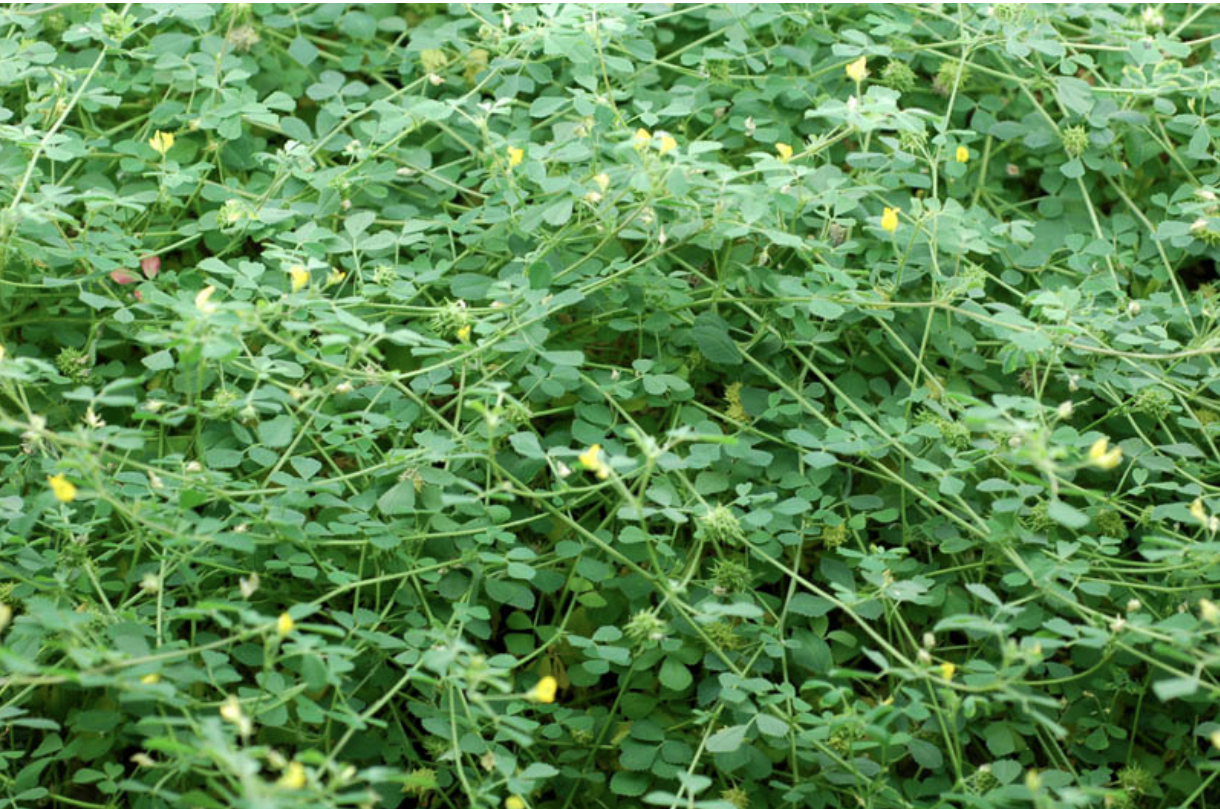
Given the dangers of overusing synthetic fertilizers, there is a growing need to research the potential for more viable and sustainable mechanisms of farming. In the U.K., a group of researchers discovered a biological phenomenon in plants that could be capitalized to achieve the goal of sustainable agriculture. The researchers describe the phenomenon “endosymbiosis” as a mechanism by which microorganisms inhabiting plant roots can facilitate nutrient uptake and absorption from the soil. Endosymbiosis is not a universal phenomenon, but certain plants have relied on this symbiotic relationship in order to meet nutrient absorption needs. In a Medicago truncatula, the researchers discovered a mutation that allowed this legume to better absorb and uptake nutrients. By introducing this mutation into other grasses like wheat, they were able to confirm that this mutation specifically conferred improved nutritional uptake.
Potential Impacts
The identification of this gene has yielded a lot of discussion regarding the future of farming. For one, this gene could be introduced on a large scale into plants that do not have this mutation to encourage the development of symbiotic relationships between plants and microbes, and effective interactions between microbes and the soil. By capitalizing on these interactions which help meet the nutritional needs of plants in an organic and sustainable way, we can move away from depending on inorganic, nitrogen-based fertilizers, and encourage healthier soil, cleaner water, and improved plant growth.
Before deciding whether or not this is a viable option for improving sustainable farming practices, it is important to carefully consider the potential risks of introducing this mutation into other plant populations. If these genetically mutated plants with improved nutrient absorption are growing in close proximity to other plants lacking this capacity, there are two threats that can unfold. For one, the gene can cross the plant species barrier and enter a new plant population which could have unintended consequences. Second, the endosymbiotic, mutated plant may be more capable of nutrient absorption and uptake, which could result in resource scarcity for other “weaker” plants, and a subsequent loss in plant diversity. Finally, there is also an equal risk that introducing a mutation which heightens the plant’s ability to absorb nutrients could cause over-absorption of nutrients. This might render the plant toxic for consumption by both livestock and humans. Therefore, by carefully analyzing, planning, and monitoring the introduction of a genetic mutation into a plant population to encourage endosymbiosis, one can guarantee the growth and evolution of sustainable farming.
That’s all for this week! Check back next week for more positive environmental news. In the meantime, if you’d like to share some Good News with us, please feel free to get in touch!